In the quest for weight loss, many individuals opt for foods they believe are healthy staples. However, it’s crucial to recognize that some of these foods, often cloaked in a “health halo,” can inadvertently stall your progress. Experts like nutritionist Sarah Garone, NDTR, CNC, shine a light on these deceptive choices. Below, we dive into seven seemingly healthy foods that might be sabotaging your weight loss efforts.
Protein Bars
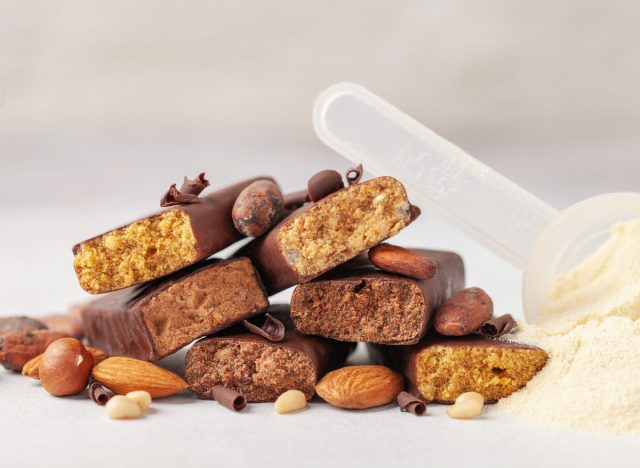
Many people turn to protein bars as a quick snack option, believing they are making a healthy choice. However, Garone points out that these bars can be deceptively high in calories, especially if laden with added sugars. “They can contain a mix of ingredients that are heavily processed, high in calories, and sometimes lower in nutritional value than expected,” she cautions. Before grabbing one, check the nutrition label to ensure it’s not undermining your weight loss goals.
Flavored Yogurt
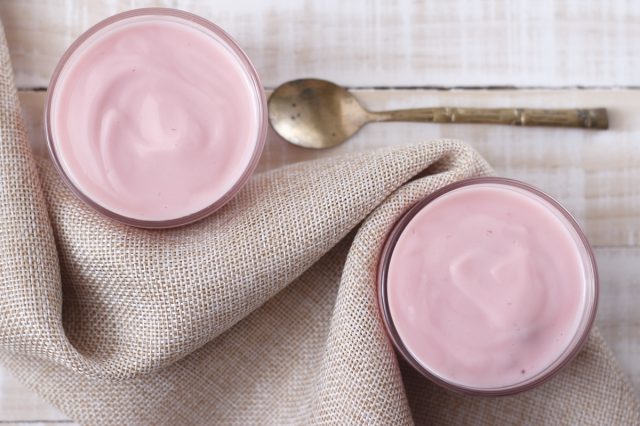
Yogurt can be a fantastic source of probiotics and protein, but flavored varieties often contain added sugars that can drive up calorie counts. “Not all yogurts are created equal,” warns Garone. While plain or low-sugar options can be beneficial for gut health, flavored yogurts can spike blood sugar levels, leading to increased cravings. Always opt for those with minimal or zero added sugars to keep your weight loss efforts on track.
Trail Mix
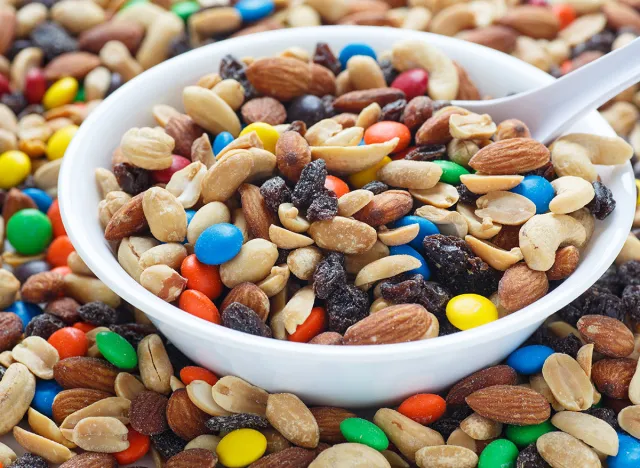
Trail mix might seem like a wholesome snack, but Garone warns that it often contains hidden culprits like chocolate pieces and candied fruits, which can pack a sugary punch. “A handful of nuts can be part of a weight-loss-friendly diet, but a sugary trail mix can lead to excess calorie intake without the associated satiety,” she explains. Choose trail mixes that are nut-heavy, and avoid those filled with sugary additives.
Granola
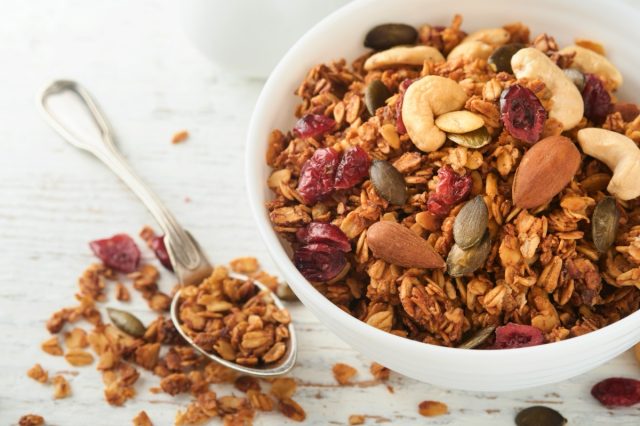
Granola, often perceived as a health food, can also be a calorie trap. Although it offers fiber from whole grains, portions can easily get out of hand. “People may believe they’re being healthy when they pour a full cup,” Garone cautions, noting that a typical serving is often only 1/3 to 1/2 cup. Ensure you’re measuring out portions to avoid undoing your healthy eating habits.
Smoothies
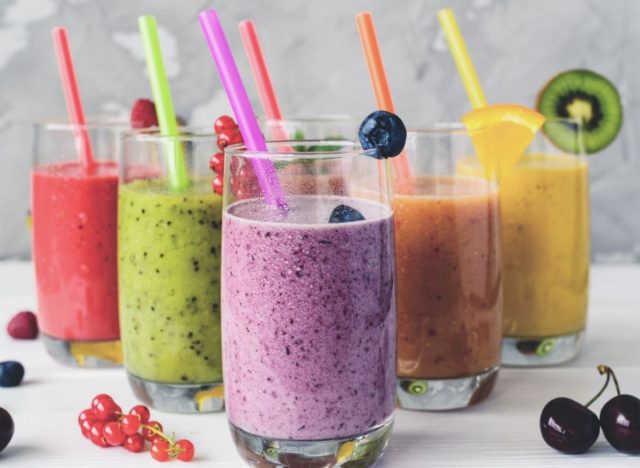
Smoothies can be a double-edged sword in your diet. While they provide an easy way to consume fruits and veggies, they can quickly become calorie bombs if not properly managed. “High-calorie add-ins like nut butters and sugar-laden yogurts can lead to excessive calorie intake without the feeling of fullness that comes from chewing,” warns Garone. Stick to a base of fruits and greens, and use high-calorie components sparingly.
Fat-Free Desserts
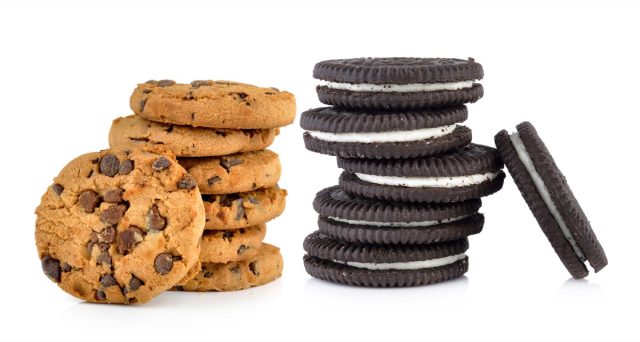
Fat-free does not equate to guilt-free, according to Garone. Many fat-free desserts compensate for the lack of fat with added sugars and artificial ingredients that can sabotage weight loss efforts. “It can be more beneficial to enjoy a smaller portion of the regular version of your favorite dessert than to reach for its fat-free counterpart,” she advises. Guilt-free indulgence should still meet quality standards for your health.
Dried Fruit
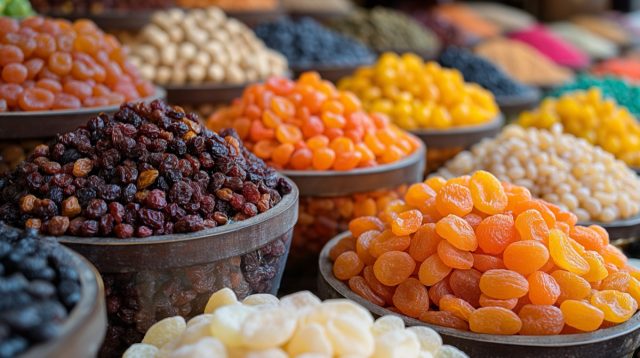
Dried fruit is another area where caloric density can catch you off guard. “The drying process reduces the water content, thus concentrating the calories and sugars,” Garone explains. While dried fruit can be a healthy snack in moderation, it may lead to overeating compared to its fresh counterpart. If your goal is weight loss, it’s wise to choose fresh fruit more often and keep dried varieties as an occasional treat.